Discover
Saint Barth

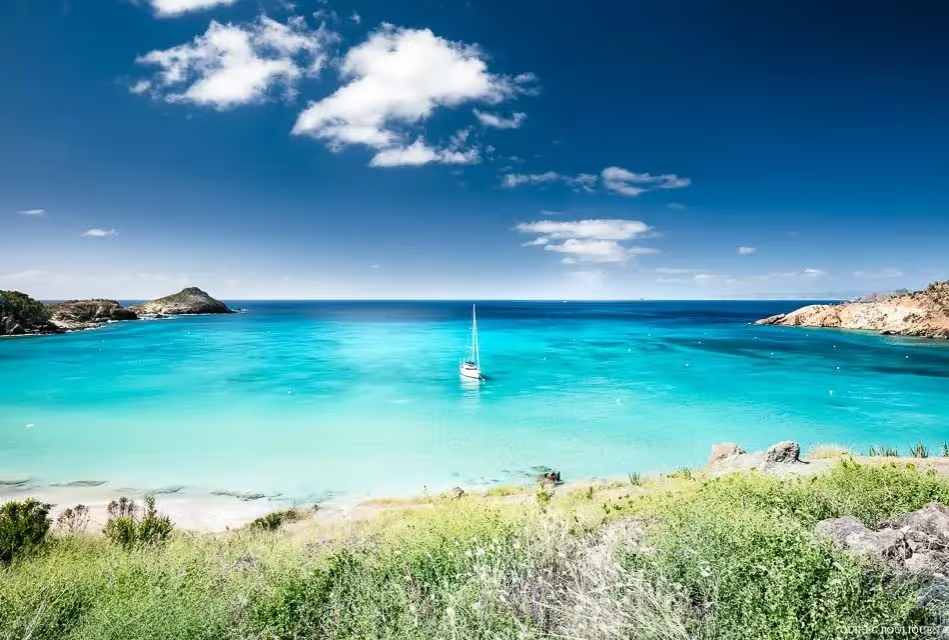
Explore the island’s unique character — from its natural beauty and vibrant culture to its history and heritage.
Scroll
.webp)
A glimpse into the island’s soul
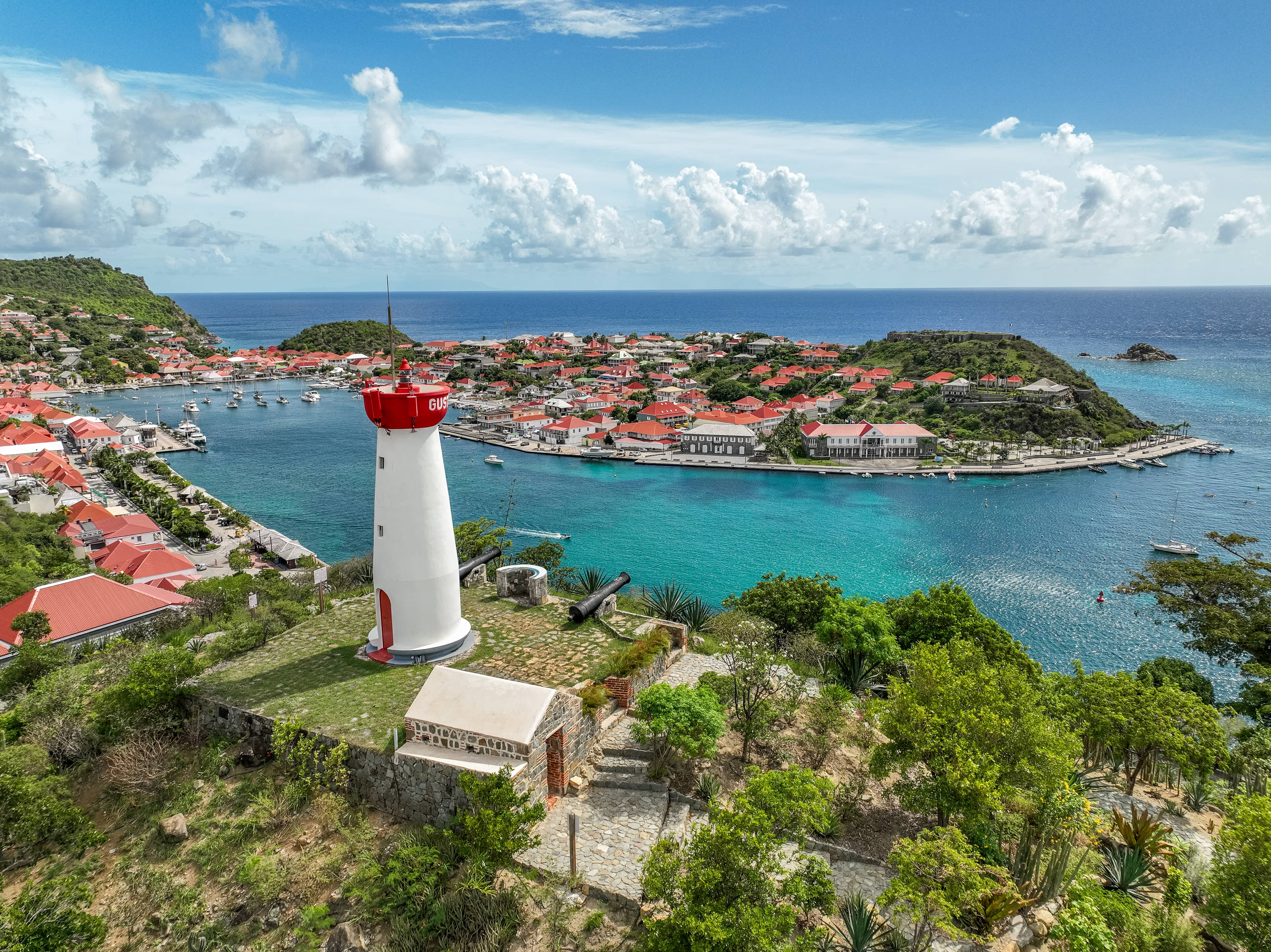
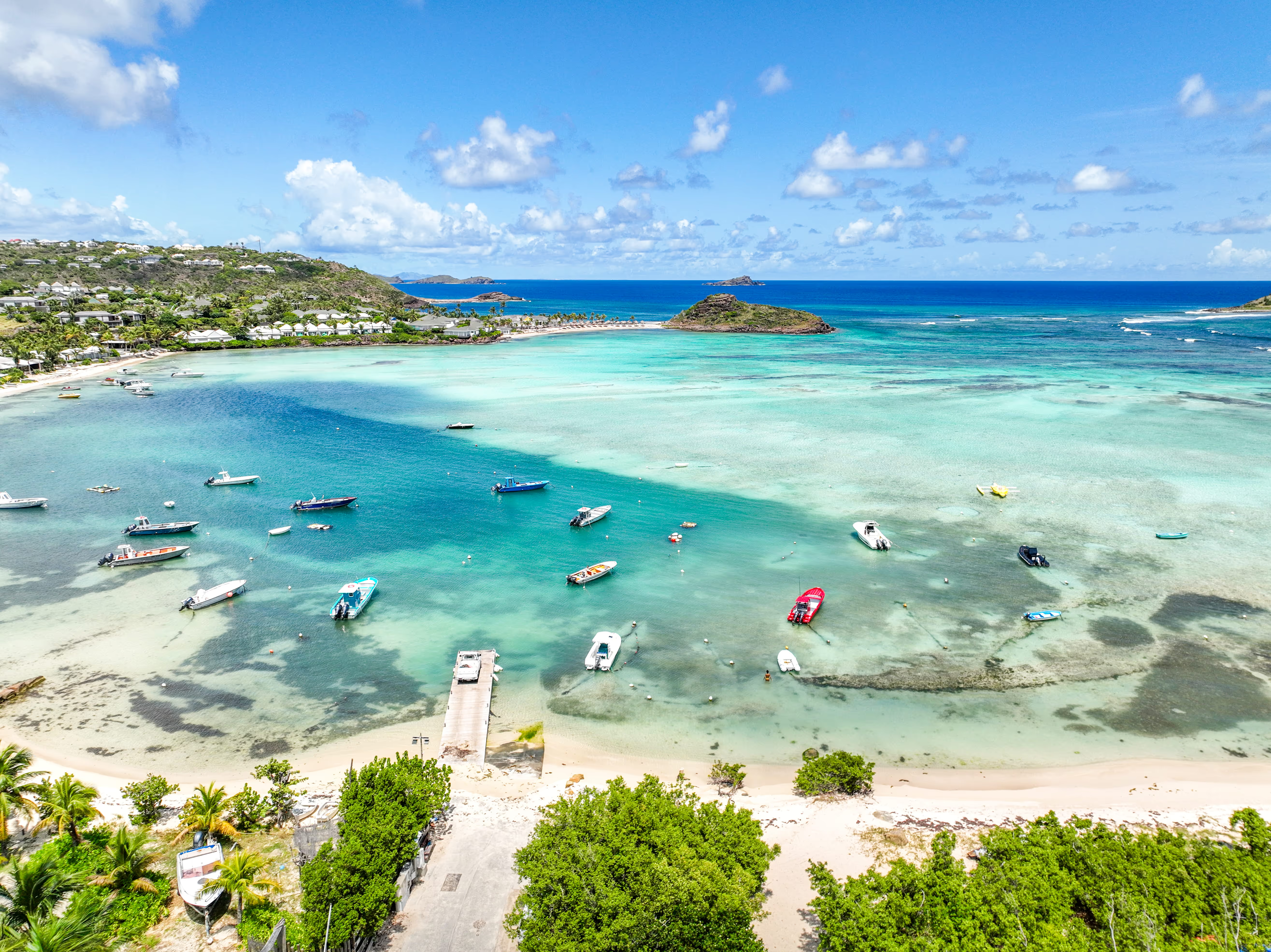
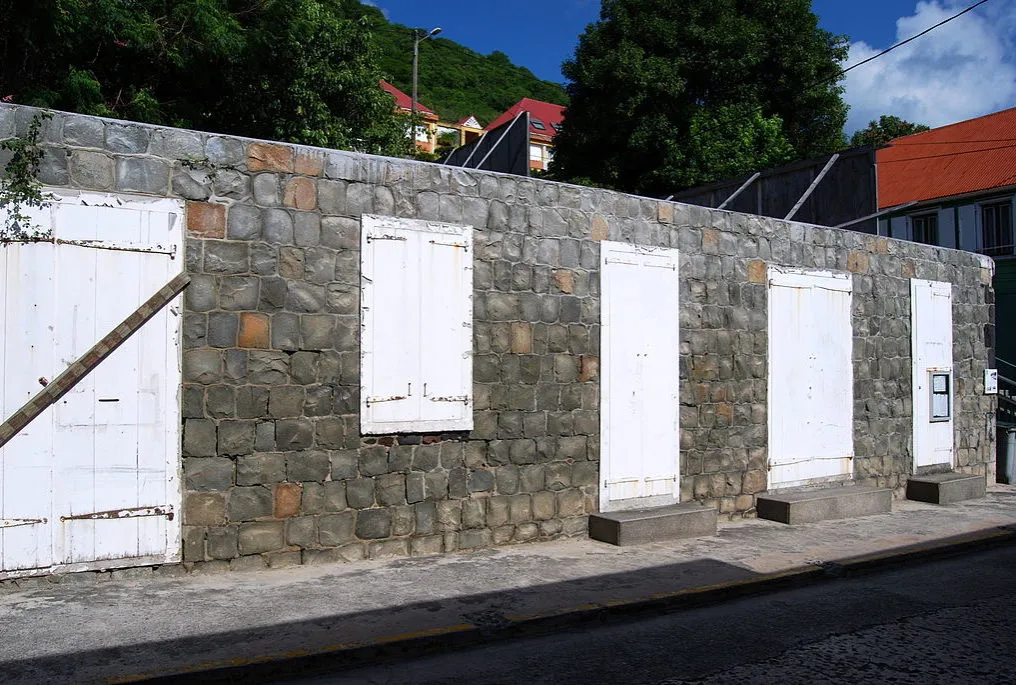
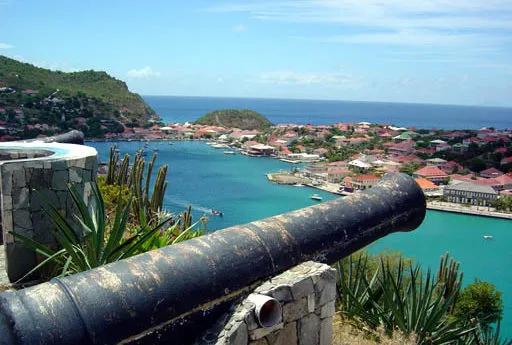
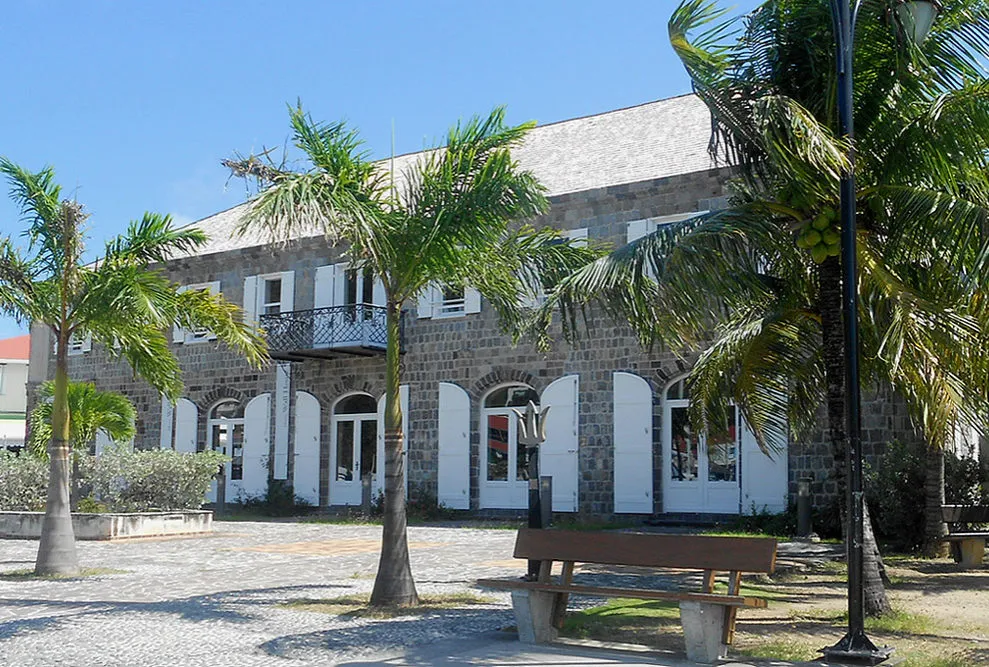
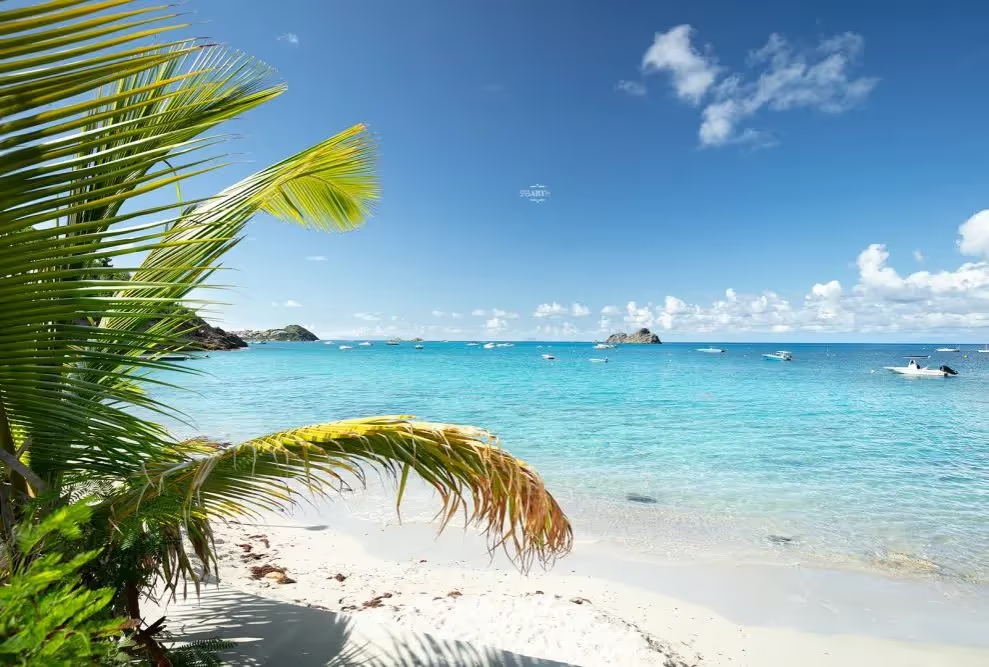
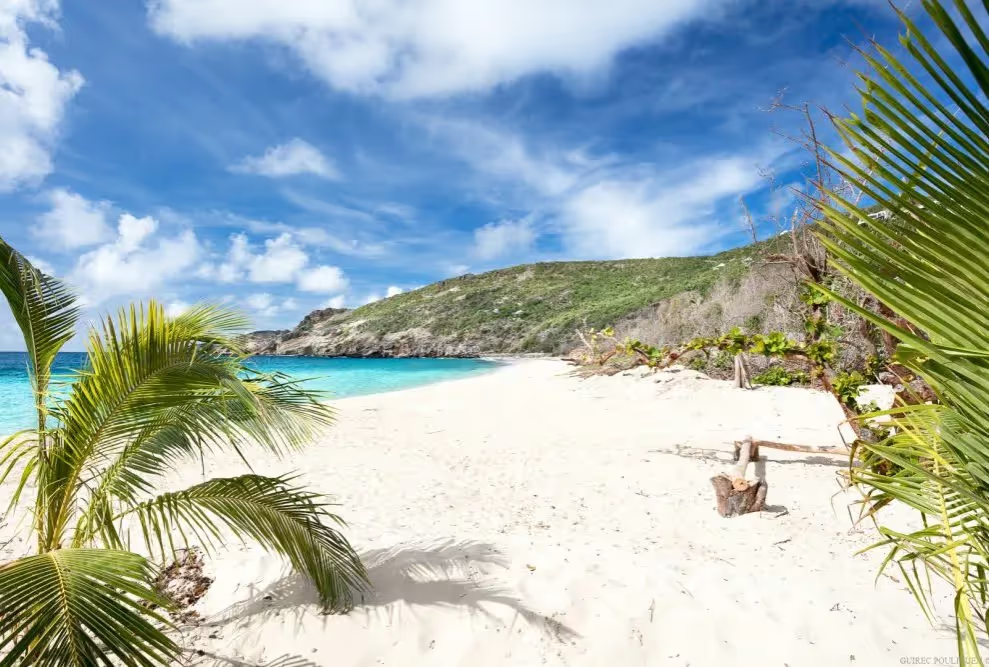
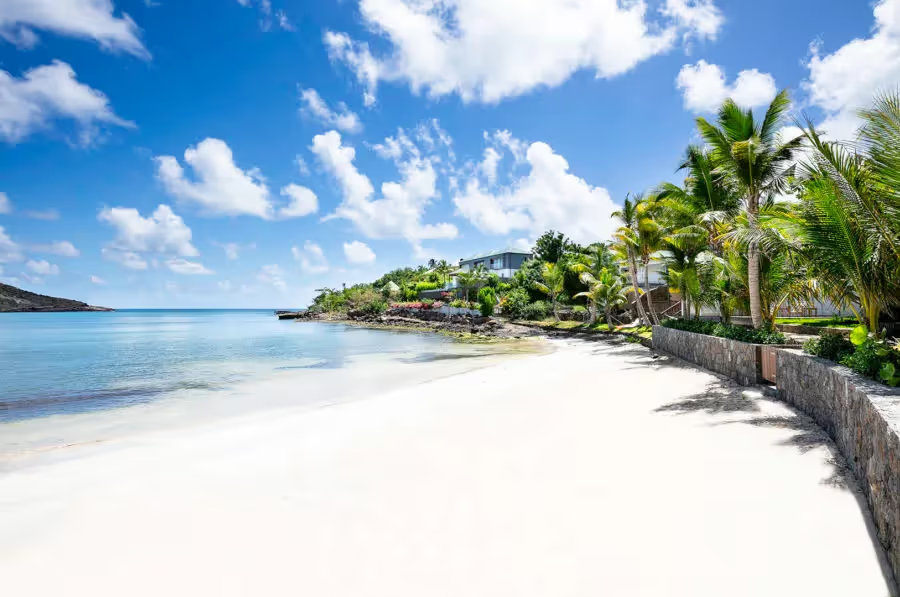
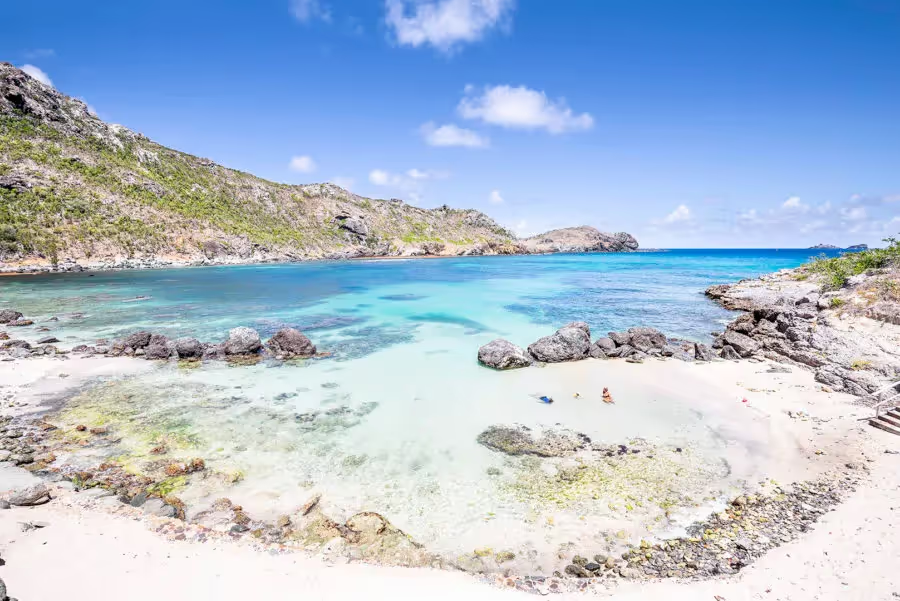
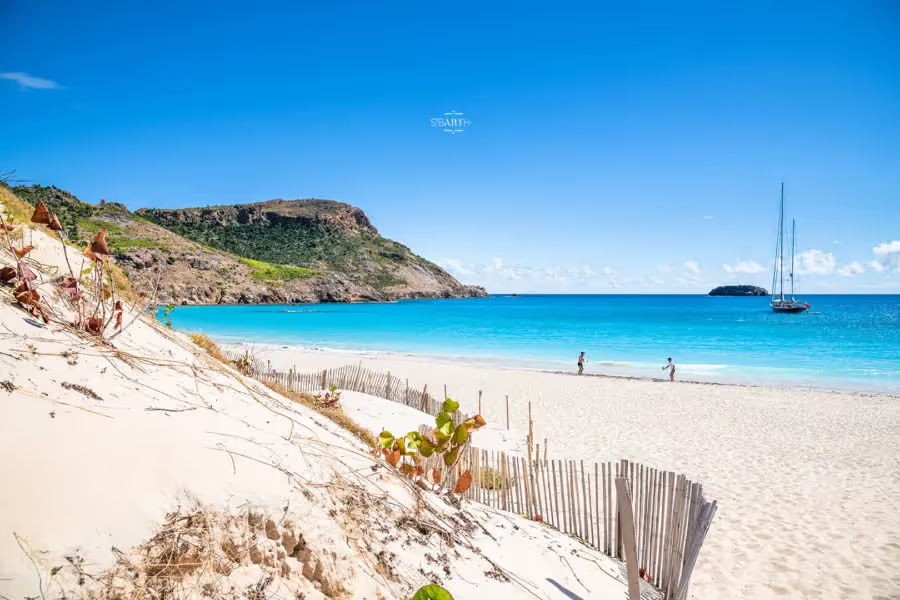
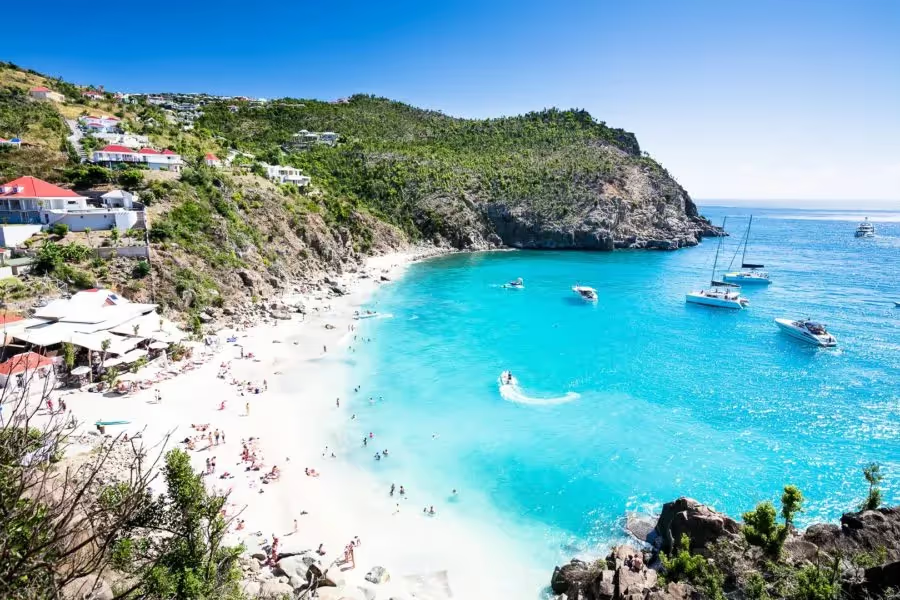
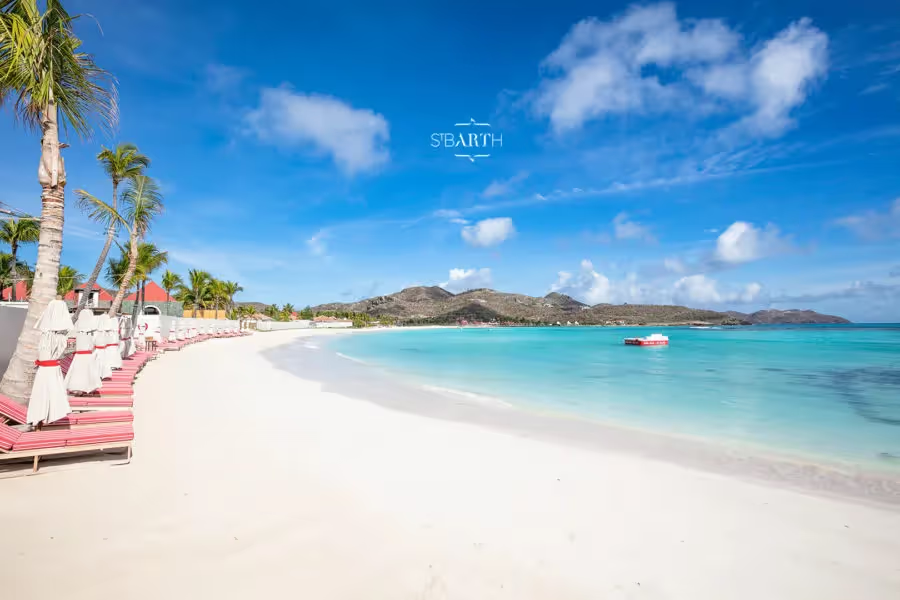
Saint Barthélemy is more than just a destination; it is a blend of breathtaking landscapes, rich traditions, and a welcoming community. This section invites you to learn more about the island’s identity, its people, and the values that make it truly unique in the Caribbean.
Discover what makes Saint Barth timeless and unforgettable.
.jpg)

%20(1).jpg)

.jpg)
-1_page-0001.avif)
.avif)







.avif)

















.jpg)